Featured

Yoga the healthy Tips

Yoga gives relief
Yoga is the only means.

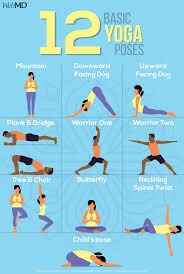
Suryanamaskar is not a simple exercise; Unique series of 12 asanas have amazing benefits!

By Nitin Nar | Published: December 4th, 2022 at 1:40 pm

Suryanamaskar is not a simple exercise; Unique series of 12 asanas have amazing benefits!
By Nitin Nar| Published: December 8, 2022 at 5:16 pm

Medical research has proved yoga to be a boon to mankind physically and mentally, add regular Surya Namaskar to recharge the body, mind and head.

Suryanamaskar is not a simple exercise; Unique series of 12 asanas have amazing benefits!

Everyone should ‘exercise’ for their body. Even today some people in our society do not know what is ‘exercise’, what are its benefits, what is the effect of exercise on our body. At present, many new diseases, epidemic diseases, skin diseases, diseases of the body are being seen increasing on a large scale. Yoga is the answer to the question of what to do in such a situation, how to increase the strength, power, immunity of the body, how to protect the body from diseases while keeping it healthy. Yoga has always been used for physical, mental and spiritual benefits. Medical research has also proven that yoga is a boon to mankind physically and mentally, add regular Surya Namaskar to recharge the body, mind, head….a unique series of twelve asanas.

Upward Mountain Pose:
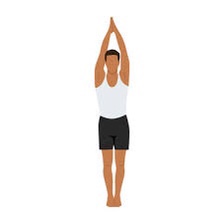
Should be done while standing steady, keeping an angle of 45 percent between the ankles. Keeping the hands near the chest in Namaskar position and keeping the neck erect and straight, inhale and fold the hands forward in Namaskar position and look towards the sky, hands are attached to both the ears. (Note- This Surya Namaskar reduces stomach disorders, helps in increasing height.

Hand-to-Foot Pose:
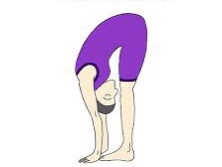
In this, by touching the hands to the ears, bend forward from the waist. Keep the hands on the ground, do this without bending the knees and exhale. (Note: This Surya Namaskar cures stomach disorders and also reduces obesity and makes the stomach slim.)

Dakshinapadaprasaranasana:

In this, take the left leg forward and place it between the two hands and stretch the right leg backwards. Lift your chest and look towards the sky. (Note- This Surya Namaskar cures heart disease, lung disease and clogged nerves.)

Dwipadprasaranasana:

In this form, both the legs should be taken back and the hands should be raised on the waist. Keep your body weight on your hands and feet. (Note – This Surya Namaskar is beneficial for stomach, esophageal bleeding.)
Click here for more health information

Savasana:

In this, one should lie down on the floor and by spreading the hands and legs, the chin should also be kept resting on the floor. (Note – This Surya Namaskar benefits the spine and neck organs.

Prostrate Pranipatasana:

In this, rest the whole hands, feet, chest on the ground, pull the stomach inward and exhale. (Note- This Surya Namaskar expands the chest and improves digestion.)

Bhujangasana:

In this form, lying down with the feet on the floor, folding the hands from the corners and keeping them on the floor, should look upwards from the neck. That is, the weight should fall on the arms from the chest upwards. (Note – This Surya Namaskar removes uterine and menstrual disorders of women. Bladder disorders are also removed.)

Bhudharasan:

In this, keeping the hands and feet on the ground, lifting them above the waist, the eyes should be lowered between the two hands. (Note- This Surya Namaskar reduces stomach disorders.)

Bhujangasana:

In this, rest the knees and head on the floor, keep the hips on the heels and bring the hands forward. (This Surya Namaskar helps in opening the neck, spine, bleeding and clogged veins and benefits the respiratory system.)

Hanumanasana:

In this, take the right leg towards the front and keep it between the two hands, stretch the left leg backwards. Lift your chest and look towards the sky. (Note – This Surya Namaskar reduces swelling in the body, neck, chest and stomach disorders go away.)

Chaturanga Dandasana:

In this form, keep a slight gap between the ground and the body. Hands should be kept on the floor without bending the knees. (Note- Height increases by this Surya Namaskar. Stomach becomes thin. Mental distress is less)

Namaskarasana:

In this pose, stand straight, keep the hands close to the chest. (Note Surya Namaskar helps to calm the mind.)

do sun salutations at this time

Surya Namaskar should preferably be done at sunrise or sunset. Regular practice of Surya Namaskar improves blood circulation throughout the body.

My Info Click
https://ni3onlineproducts.godaddysites.com

Building Strong and Healthy Body: Comprehensive Information

The human body is a remarkable and complex biological machine, capable of performing remarkable functions when properly cared for. Developing a strong and healthy body requires a holistic approach that incorporates various factors including nutrition, exercise, sleep, stress management and overall lifestyle choices. In this comprehensive information, we will discuss the key components that contribute to a strong body and provide actionable steps for individuals born in the 21st century to develop and maintain their physical well-being.

Nutrition: Fueling Your Body
Nutrition plays a fundamental role in building a strong body. Consuming a balanced diet rich in essential nutrients provides the essential building blocks for growth, repair and optimal functioning. focus:

One. Macronutrients: Include adequate amounts of carbohydrates, proteins, and healthy fats in your diet. Carbohydrates provide energy, proteins aid muscle growth and repair, and healthy fats are essential for various bodily functions.

B. Micronutrients: Vitamins and minerals are important for maintaining proper bodily functions. Eat a variety of fruits, vegetables, whole grains and lean proteins to make sure you’re getting a wide range of nutrients.

C. Hydration: Drink plenty of water to stay hydrated. Water supports digestion, circulation and temperature regulation.

Exercise: Building Strength and Endurance
Regular physical activity is important to build a strong body. Engage in a combination of cardiovascular exercise, strength training, and flexibility exercises:

One. Cardiovascular exercise: Activities like running, swimming and cycling improve cardiovascular health, increase stamina and burn calories.

B. Strength training: Incorporate resistance exercises using weights, resistance bands or body weight. It helps build muscles, improve bone density and increase metabolism.

C. Flexibility exercises: Exercises like yoga or stretching routines improve flexibility, posture and joint mobility.

Sleep: restorative power
Adequate sleep is often underestimated but plays an important role in physical health:

One. Aim for 7-9 hours of quality sleep each night. Sleep supports muscle recovery, hormone regulation, and overall cognitive function.

B. Maintain a consistent sleep schedule by going to bed and waking up at the same time every day.

Stress Management: The Mind-Body Connection
Chronic stress can have negative effects on physical health. Practice stress management techniques:

One. Mindfulness and meditation: These practices reduce stress hormones, lower blood pressure and promote a sense of calm.

B. Breathing exercises: Deep breathing techniques can activate the body’s relaxation response, reducing stress and anxiety.

C. Adequate rest and leisure: Engage in hobbies, spend time with loved ones and prioritize activities that bring happiness and relaxation.

Lifestyle Choices: Long-Term Wellness
Healthy lifestyle choices contribute to your body’s long-term strength:

One. Avoid smoking and limit alcohol consumption: These habits can have harmful effects on various organs and systems of the body.

B. Regular Checkups: Schedule regular medical checkups to detect any potential health problems early.

C. Avoid fad diets: Instead, focus on permanent dietary changes that can be maintained over the long term.

D. Be socially active: Maintaining strong social connections contributes to mental and emotional well-being.

conclusion

Building a strong and healthy body requires commitment, consistency and a balanced approach. By prioritizing nutrition, exercise, sleep, stress management and choosing an informed lifestyle, individuals born in the 21st century can build and maintain a body that is flexible, energetic and ready to face life’s challenges. Remember that small, gradual changes can lead to significant improvements in your physical health over time.

https://youtube.com/@VidMotivation

Human body part details and description

  1. Brain: The brain is the control center of the nervous system. It weighs about 3 pounds and is responsible for processing information, controlling movement, and regulating bodily functions.
    1. Heart: The heart is a muscular organ that pumps blood throughout the circulatory system. It’s roughly the size of a clenched fist and beats about 70-80 times per minute at rest.
    2. Lungs: Lungs are responsible for the exchange of oxygen and carbon dioxide in the body. They are located in the chest and expand and contract as we breathe.
    3. Liver: The liver is the largest internal organ in the body and plays a vital role in processing nutrients, detoxifying the blood, and producing bile for digestion.
    4. Kidneys: The kidneys are responsible for filtering waste products from the blood and regulating fluid balance. Most people have two kidneys, and they are bean-shaped.
    5. Stomach: The stomach is a muscular organ in the digestive system. It churns and mixes food with digestive juices to break it down before it enters the small intestine.
    6. Skin: The skin is the body’s largest organ and serves as a protective barrier. It regulates body temperature, contains sensory receptors, and plays a role in vitamin D production.
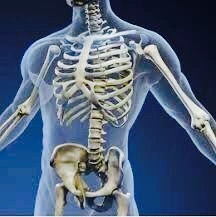
    7. Bones: The human skeleton consists of 206 bones that provide structure and support for the body. They also produce blood cells and store minerals.
    8. Muscles: Muscles allow the body to move. There are over 600 muscles in the human body, ranging from small ones in the face to large ones in the legs.
    9. Eyes: The eyes are sensory organs responsible for vision. They contain a lens that focuses light onto the retina, where visual information is processed and sent to the brain.
    10. Ears: Ears are responsible for hearing and balance. They consist of the outer ear, middle ear, and inner ear, which work together to process sound waves and maintain equilibrium.
    11. Intestines: The intestines, including the small intestine and large intestine, are part of the digestive system. They absorb nutrients from digested food and eliminate waste.

These are just a few key body parts with brief descriptions. If you have specific questions about any particular body part or need more details, feel free to ask!

belly fat best tips jump & Skipping

Jumping and skipping exercises can be effective for burning calories and reducing belly fat. Here are some tips to make the most of these activities:1. Consistency is Key: Like any workout routine, consistency is essential to see results. Set a regular schedule for your jumping and skipping exercises and stick to it. 2. Warm-up: Always start with a warm-up to prepare your muscles and prevent injuries. Perform some light cardio exercises like jogging in place or arm circles for a few minutes. 3. Jump Rope Technique: If you’re using a jump rope, maintain proper form. Hold the handles with a comfortable grip, keep your elbows close to your sides, and rotate the rope using your wrists, not your shoulders. 4. Start Slowly: If you’re new to jumping or skipping, start slowly and gradually increase the intensity and duration as your fitness level improves. 5. Interval Training: Consider incorporating interval training into your routine. Alternate between periods of high-intensity jumping or skipping and lower-intensity rest or active recovery periods. This approach can be more effective for fat burning. 6. Mix it Up: Avoid doing the same routine every day. Incorporate various jumping and skipping exercises to keep your workouts challenging and engaging. 7. Combine with Other Exercises: While jumping and skipping are excellent cardio exercises, combining them with strength training and core exercises can enhance overall fat burning and help tone your abdominal muscles. 8. Proper Diet: Remember that exercise alone may not be enough to reduce belly fat. Pay attention to your diet, and aim for a balanced, calorie-controlled meal plan that includes plenty of fruits, vegetables, lean proteins, and whole grains. 9. Stay Hydrated: Drink enough water before, during, and after your workouts to stay hydrated and support your body’s functions. 10. Rest and Recovery: Allow your body time to rest and recover between jumping and skipping sessions. Overtraining can lead to injuries and hinder progress.

11. Challenge Yourself: As you become more comfortable with jumping and skipping, try increasing the intensity by adding double unders (two rotations of the rope per jump) or more complex footwork. 12. Listen to Your Body: If you experience pain or discomfort while jumping or skipping, stop immediately and consult a healthcare professional if necessary.

Remember, spot reduction (targeting fat loss from specific areas) is not scientifically supported. Belly fat reduction comes from an overall decrease in body fat through a combination of calorie-burning exercises, a healthy diet, and a consistent fitness routine. Be patient and persistent, and you’ll see progress over time.

Most Important Health and Fitness Rules and Tips

Maintaining good health and fitness is essential for overall well-being and quality of life. Here are some of the most important health and fitness rules and tips

1. Regular Exercise: Engage in regular physical activity to improve cardiovascular health, build strength, and maintain a healthy weight. Aim for at least 150 minutes of moderate-intensity aerobic activity or 75 minutes of vigorous-intensity aerobic activity per week,combined with muscle-strengthening activities at least twice a week. 2.Balanced Diet:Adopt a balanced diet that includes a variety of fruits, vegetables,whole grains,lean proteins, and healthy fats.Limit the consumption of processed foods,sugary beverages,and excessive amounts of salt and saturated fats. 3.Hydration:Drink plenty of water throughout the day to stay hydrated. Water is crucial for bodily functions, energy levels,and maintaining proper digestion. 4. Portion Control: Be mindful of portion sizes to avoid overeating.Practice intuitive eating, where you listen to your body’s hunger and fullness cues. 5.Adequate Sleep: Ensure you get 7-9 hours of quality sleep each night.Sleep is crucial for physical and mental recovery, memory consolidation, and overall well-being. 6. Stress Management:Practice stress-reduction techniques such as meditation, deep breathing exercises, yoga, or spending time in nature.Chronic stress can lead to various health issues, so it’s essential to find ways to relax and unwind. 7.Avoid Smoking and Excessive Alcohol:Quit smoking and limit alcohol intake to protect your lungs,heart, liver,and overall health. 8.Regular Health Check-ups: Schedule regular check-ups with your healthcare provider for preventive care and early detection of potential health issues. 9.Stay Active Throughout the Day:Incorporate movement into your daily routine, such as taking short breaks to walk or stretch, using stairs instead of elevators, or biking to work. 10. Listen to Your Body: Pay attention to any signs of discomfort or pain during exercise. Don’t push yourself too hard and learn to differentiate between muscle soreness and potential injuries. 11.Warm-up and Cool Down: Always warm up before engaging in vigorous exercise and cool down afterward to prevent injuries and aid in recovery. 12.Include Strength Training: Incorporate resistance exercises into your routine to build muscle mass, increase bone density, and enhance metabolism. 13.Avoid Fad Diets: Steer clear of quick-fix diets and extreme restrictions. Focus on sustainable, long-term changes to your eating habits and lifestyle. 14.Set Realistic Goals: Establish achievable health and fitness goals that are specific, measurable, and time-bound. Celebrate your progress and be patient with yourself. 15.Social Support: Surround yourself with supportive friends and family who encourage and motivate your healthy habits. 16.Limit Screen Time: Reduce the time spent on electronic devices and limit sedentary activities. Instead, opt for more active pursuits and hobbies. 17.Stay Informed: Stay up-to-date with reliable health and fitness information to make informed decisions about your well-being.

Remember, the key to long-term success in health and fitness is consistency and finding a balance that works for you. By making these rules and tips a part of your lifestyle, you can improve your overall health and well-being significantly.

Stomach and belly Fat expert’s information

As a Stomach and Belly Fat Expert, I am here to provide you with valuable information and guidance on how to achieve a healthy and toned midsection. Reducing belly fat and maintaining a healthy weight is crucial for overall well-being and can help reduce the risk of various health issues.1. Understanding Belly Fat:

Belly fat, also known as visceral fat, is the fat stored around your abdominal organs. It differs from subcutaneous fat, which is the fat stored under the skin. Visceral fat is metabolically active and can be associated with a higher risk of chronic diseases like heart disease, type 2 diabetes, and certain cancers.
2. Balanced Diet:
Diet plays a significant role in reducing belly fat. Focus on a balanced diet that includes plenty of fruits, vegetables, whole grains, lean proteins, and healthy fats. Avoid or limit sugary foods, processed snacks, and sugary beverages. Drink plenty of water and be mindful of portion sizes.
3. Regular Exercise:
Incorporate both cardiovascular exercises (like walking, running, or cycling) and strength training (such as weightlifting or bodyweight exercises) into your fitness routine. Regular exercise helps burn calories, increases metabolism, and contributes to reducing overall body fat, including belly fat.
4. Targeted Exercises:
While spot reduction is not entirely possible, targeted exercises can help strengthen the abdominal muscles and improve core stability. Include exercises like planks, crunches, leg raises, and twists in your workout routine.
5. Stress Management:
High levels of stress can lead to overeating and weight gain, especially around the abdomen. Practice stress-reducing techniques such as meditation, deep breathing exercises, yoga, or engaging in hobbies you enjoy.
6. Adequate Sleep:
Make sure to get 7-9 hours of quality sleep each night. Poor sleep can disrupt hormonal balance and increase cravings for unhealthy foods.
7. Avoid Crash Diets:
Extreme diets or crash diets are not sustainable and can lead to nutrient deficiencies. Instead, focus on making long-term lifestyle changes for lasting results.
8. Limit Alcohol Consumption:
Excessive alcohol intake can contribute to belly fat accumulation. If you drink alcohol, do so in moderation.
9. Consult a Professional:
If you’re struggling with belly fat or weight loss, consider consulting a registered dietitian, nutritionist, or personal trainer. They can provide personalized guidance and support based on your individual needs and goals.

Remember, everyone’s body is unique, and it may take time and patience to achieve your desired results. Stay consistent, stay motivated, and prioritize your health above all else.

Title: Understanding Injuries, Poisoning Effects, and Their Solutions for Optimal Health

Introduction:
Injuries and poisoning are common health concerns that can have significant effects on the body. Understanding their causes, effects, and appropriate solutions is crucial for maintaining optimal health. This article aims to provide comprehensive information about various types of injuries, the effects of poison on the body, and effective solutions to mitigate their impact.

Types of Injuries:

  1. Physical Injuries: These include fractures, sprains, strains, and wounds. Immediate first aid and medical attention are essential to prevent complications.
  2. Sports Injuries: Overexertion, improper techniques, and lack of warm-up can lead to injuries in athletes. Proper training and warm-up routines are crucial.
  3. Traumatic Injuries: Accidents, falls, and collisions can result in head injuries, concussions, and internal organ damage. Wearing protective gear and taking precautions can reduce the risk.
  4. Workplace Injuries: Hazardous work environments may lead to cuts, burns, and repetitive strain injuries. Adhering to safety protocols and using protective equipment is vital.

Effects of Poison on the Body:

  1. Chemical Poisoning: Ingesting, inhaling, or contacting toxic chemicals can cause nausea, vomiting, organ damage, and even death. Quick medical attention is essential.
  2. Food Poisoning: Consuming contaminated food leads to stomach cramps, diarrhea, and dehydration. Hydration and rest are crucial for recovery.
  3. Venomous Bites and Stings: Snake bites, insect stings, and scorpion stings can cause localized pain, swelling, and allergic reactions. Antivenom and medical intervention may be necessary.
  4. Medication Poisoning: Accidental overdose or incorrect medication can have adverse effects on health. Contacting a poison control center immediately is critical.

Preventing and Treating Injuries and Poisoning:

  1. First Aid: Knowing basic first aid techniques can save lives. Learning how to manage bleeding, perform CPR, and immobilize injuries is essential.
  2. Safety Precautions: Wearing seat belts, helmets, and protective gear significantly reduces the risk of injuries. Following safety guidelines at home and work is vital.
  3. Proper Nutrition: A balanced diet rich in vitamins and minerals strengthens the immune system, aiding in recovery from injuries and poisoning.
  4. Hydration: Staying hydrated helps flush out toxins from the body and maintain organ function.
  5. Poison Control Centers: Keep the contact information of local poison control centers accessible. They can provide guidance in case of poisoning emergencies.
  6. Proper Medication Use: Always follow prescribed dosages and instructions when taking medication. Store medications safely to prevent accidental ingestion.
  7. Emergency Response: In case of severe injuries or poisoning, seek immediate medical attention or call emergency services.

Recovery and Rehabilitation:

  1. Physical Therapy: For injuries, physical therapy aids in restoring mobility and strength.
  2. Counseling: Psychological support may be necessary to cope with the trauma of injuries or poisoning incidents.
  3. Nutritional Support: A balanced diet with proper nutrients supports the body’s healing process.
  4. Follow Medical Advice: Adhering to medical recommendations ensures a smoother recovery.

Conclusion:
Injuries and poisoning can have lasting effects on health, but with proper prevention, immediate attention, and appropriate treatment, their impact can be minimized. Being well-informed about the types, effects, and solutions for injuries and poisoning is a significant step toward maintaining optimal health and well-being. Remember that safety precautions, prompt actions, and a healthy lifestyle are key to preventing and recovering from these health concerns.

Most Important Training of Strength

Strength training, also known as resistance or weight training, is a form of physical exercise designed to increase muscle strength, power and endurance. It involves using resistance against the muscles, usually through free weights (such as dumbbells and barbells), weight machines, resistance bands or bodyweight exercises. The primary goal of strength training is to improve the body’s ability to exert force against resistance, resulting in increased muscle function and overall physical performance.
Upcoming Smartphone Vivo Y78 5G

Here are some key aspects of strength training:

benefits:
Increase in muscle strength: Strength training helps build and strengthen muscles, which leads to better performance in daily activities and sports.
Increased bone density: Regular strength training may help increase bone density and reduce the risk of osteoporosis, especially in older adults.
Enhanced Metabolism: As muscle mass increases, the body’s resting metabolic rate (calories burned while at rest) also increases, thereby aiding in weight management.
Better joint health: Strengthening the muscles around the joints can improve joint stability and reduce the risk of injuries.
Improved functional ability: Strength training can enhance the ability to perform everyday tasks and maintain independence as you age.
Enhanced sports performance: Athletes often use strength training to improve their performance in various sports and activities.

Types of strength training:
Isometric: The muscles contract without joint movement (for example, planks).
Isotonic: Muscles contract and change length, allowing movement of joints (for example, lifting a weight).
Isokinetic: Muscles contract at a constant rate against resistance (usually with special machines).
Body weight exercises: Using one’s own body weight as resistance (eg, push-ups, squats, pull-ups).

Training Principle:
Progressive Overload: Gradually increasing resistance over time to challenge the muscles and keep progressing.
Specificity: Training should be specific to the muscles and activities needed for the desired goals or activities.
Rest and Recovery: Adequate rest between sessions is essential for muscle repair and growth.
Frequency and duration: The frequency and duration of strength training sessions depend on individual goals and fitness levels.

safety considerations:
Proper form: Using correct technique is critical to preventing injuries and ensuring effective workouts.
Warm-up and cool-down: Always warm up before starting a strength training session and cool down afterward to reduce the risk of injury.
Gradual Progression: Avoid sudden increases in weight or intensity to prevent overexertion and strain.

launch:
Beginners should start with lighter weights and focus on learning proper form before increasing the resistance.
Consider seeking guidance from a certified fitness professional to create a safe and effective strength training program tailored to your goals.
Strength training is a versatile and beneficial form of exercise that can be adapted to suit individuals of all ages and fitness levels. As with any exercise program, it is essential to listen to your body, avoid putting too much pressure on yourself, and consult a health care professional before starting a new exercise regimen, especially if you have an underlying health condition.

Description:
Strength Training: Unleash Your Inner Power!
Discover the transformative world of strength training – the key to unleashing your full potential and achieving peak performance. By engaging in this dynamic form of exercise, you will notice a significant increase in muscular strength, power and endurance. Take on the challenge and reap the many benefits: from lean muscle mass and increased bone density to a turbocharged metabolism and improved joint health. Experience a new sense of vitality and conquer everyday tasks with ease. Whether you’re a fitness enthusiast or an aspiring athlete, strength training will propel you to greatness!

Increase Strength With Strength Training: Your Journey To Optimum Performance
Embark on a life-changing adventure with strength training, the ultimate tool for maximizing your physical prowess. Dive into a variety of techniques such as isometric, isotonic and bodyweight exercises, each designed to shape your muscles and increase your strength. Embrace the principle of progressive overload as you slowly push your limits and watch amazing progress. But remember, safety is paramount. Master proper form and take time to warm up and cool down for a smooth and injury-free journey. Let’s unleash your potential, elevate your sporting performance and conquer your goals – one lift at a time!

The Secrets of Strength Training Unveiled: The Path to Flexibility and Vitality
Unveil the extraordinary world of strength training and uncover the secrets to a fitter, stronger self. From isometric holds to isotonic lifts, delve deep into the science of muscle contraction and embrace the transformative power of resistance. Witness your muscles get stronger and your bones get denser, ensuring a lifetime of vibrant health. Feel the endorphins flood as you improve your functional ability and conquer everyday challenges with ease. Find the right balance of frequency and duration to allow your muscles to recover and grow. With dedication and determination, you will unleash the true potential within you and lead a life of resilience and vitality!

Strength Training 101: Building a Foundation of Strength
Welcome to Strength Training 101 – The cornerstone of your fitness journey! In this strengthening adventure, we’ll introduce you to isometric, isotonic, and isokinetic exercises that will shape your body and propel your strength to new heights. Adopt the principle of progressive overload, gradually pushing your limits and achieving achievements you never thought possible. Safety is our priority, so master proper exercise and make warm-up and cool-down part of your routine to avoid injury. Whether you are a beginner or a seasoned fitness enthusiast, this program is tailored for you. So get ready, take charge and build a foundation of strength that will reshape your body and life!

Health and Fitness Tips

Staying healthy and fit is one of the most important things you can do for yourself. A healthy lifestyle not only helps you feel better, but it can also prevent many chronic diseases and improve your overall quality of life. Here are some health and fitness tips that can help you achieve your goals:

  1. Eat a healthy diet: A healthy diet is essential for good health. Make sure you are eating a balanced diet that includes plenty of fruits, vegetables, whole grains, lean proteins, and healthy fats. Avoid processed foods, sugary drinks, and foods that are high in saturated and trans fats.
  2. Exercise regularly: Exercise is one of the most important things you can do for your health. It helps you maintain a healthy weight, improves your cardiovascular health, and can also improve your mental health. Aim to exercise for at least 30 minutes a day, five days a week. This can include activities such as walking, jogging, cycling, swimming, or any other form of physical activity that you enjoy.
  3. Stay hydrated: Drinking plenty of water is essential for good health. Aim to drink at least eight cups of water a day, and more if you are exercising or in a hot climate.
  4. Get enough sleep: Getting enough sleep is essential for good health. Aim to get 7-8 hours of sleep each night, and try to establish a regular sleep routine to help you fall asleep and wake up at the same time each day.
  5. Manage stress: Stress can have a negative impact on your health and well-being. Find ways to manage stress, such as practicing mindfulness meditation, deep breathing, or yoga.
  6. Avoid smoking and excessive alcohol consumption: Smoking and excessive alcohol consumption can have a negative impact on your health. If you smoke, try to quit, and if you drink alcohol, do so in moderation.
  7. Get regular check-ups: Regular check-ups with your healthcare provider are essential for good health. They can help detect any health problems early on and prevent them from getting worse.
  8. Take breaks from sitting: Sitting for long periods can have a negative impact on your health. Take regular breaks from sitting, and try to stand up and move around every 30 minutes or so.
  9. Stay socially connected: Social connections are important for good health. Try to maintain strong social connections with family and friends, and find ways to connect with others in your community.
  10. Find an exercise buddy: Exercising with a friend or family member can make it more enjoyable and help you stay motivated. Find someone who shares your fitness goals and make a plan to exercise together regularly.
  11. Try new activities: Trying new activities can help keep your fitness routine fresh and interesting. Consider trying new sports, fitness classes, or outdoor activities to keep things fun and challenging.
  12. Listen to your body: Your body knows best when it comes to what it needs. Listen to your body and adjust your exercise routine or diet as needed. If you are experiencing pain or discomfort, talk to your healthcare provider.
  13. Set realistic goals: Setting realistic goals can help you stay motivated and on track. Set goals that are achievable and specific, and track your progress along the way.
  14. Celebrate your successes: Celebrating your successes, no matter how small, can help keep you motivated and on track. Take time to acknowledge your progress and give yourself credit for your hard work.
  15. Stay positive: A positive attitude can have a big impact on

कोलेस्ट्रॉल की जानकारी लक्षण और उपाय

VidMotivation

By nitin nar…

कोलेस्ट्रॉल कम करने के लिए करें ये उपाय कोलेस्ट्रॉल कम करे –और लक्षण

आज की तेजी से भागती दुनिया में हर किसी का स्वास्थ्य संघर्ष कर रहा है।  कभी थकान महसूस होती है तो कभी ब्लड प्रेशर अचानक से बढ़ जाता है।  इस सब में हमें पता ही नहीं चलता कि वास्तव में हुआ क्या है।  लेकिन ये सभी लक्षण तब दिखते हैं जब कोलेस्ट्रॉल बढ़ जाता है।  इन उपायों को अपनाकर आप अपने शरीर को स्वस्थ रख सकते हैं।  भागदौड़ भरी जीवनशैली और अनियमित खान-पान की वजह से आजकल बढ़ता हुआ कोलेस्ट्रॉल एक गंभीर समस्या बन गया है।  रिपोर्ट के मुताबिक, भारत में 67 फीसदी से ज्यादा लोग हाई कोलेस्ट्रॉल से पीड़ित हैं।  ग्रामीण इलाकों की तुलना में शहरों में यह संख्या तेजी से बढ़ रही है।  बढ़े हुए कोलेस्ट्रॉल के कारण आपको हाई बीपी, हार्ट अटैक, कोरोनरी आर्टरी डिजीज जैसी कई गंभीर बीमारियों का सामना करना पड़ सकता है।

 देश में कोलेस्ट्रॉल के बढ़ते स्तर को देखते हुए सेंटर फॉर डिजीज कंट्रोल एंड प्रिवेंशन (सीडीसी) ने कुछ खाद्य पदार्थों पर प्रतिबंध लगा दिया है।  सीडीसी के मुताबिक इन चीजों को खाने से न सिर्फ कोलेस्ट्रॉल का स्तर बढ़ता है बल्कि दिल से जुड़ी समस्याओं का खतरा भी बढ़ जाता है।

 कोलेस्ट्रॉल क्या है?

  कोलेस्ट्रॉल क्या है?

 कोलेस्ट्रॉल एक मोमी पदार्थ है जो रक्त वाहिकाओं में बनता है।  रक्त वाहिकाओं में कोलेस्ट्रॉल का स्तर बढ़ने से ब्लॉकेज की समस्या हो सकती है।  बढ़ा हुआ कोलेस्ट्रॉल शरीर में रक्त संचार को रोक सकता है।  यह सच है कि धमनियों में खून का बहाव धीमा होने से दिल से जुड़ी बीमारियों और स्ट्रोक का खतरा रहता है

 कोलेस्ट्रॉल कैसे बढ़ता है?

  कोलेस्ट्रॉल कैसे बढ़ता है?

 किसी भी सामान्य व्यक्ति के शरीर में कोलेस्ट्रॉल बढ़ने का मुख्य कारण खान-पान की गलत आदतें होती हैं।  जंक फूड का सेवन भारत में उच्च कोलेस्ट्रॉल के सभी मामलों का मुख्य कारण बताया जाता है।  अच्छी डाइट और स्वस्थ जीवनशैली अपनाकर ही कोलेस्ट्रॉल को नियंत्रित किया जा सकता है।

 कोलेस्ट्रॉल के लक्षण

 हर समय थकान महसूस होना

 उल्टी करना

 रक्तचाप में अचानक वृद्धि

 छाती में दर्द

 शरीर के निचले भाग में शीतलता

 कोलेस्ट्रॉल कम करने के लिए करें ये काम

 रोग नियंत्रण और रोकथाम केंद्र (सीडीसी) के अनुसार, कोलेस्ट्रॉल कम करने का सबसे महत्वपूर्ण तरीका संतृप्त वसा और ट्रांस वसा से बचना है।  उच्च कोलेस्ट्रॉल संतृप्त वसा वाले खाद्य पदार्थों में पाया जाता है, जो रक्त वाहिकाओं में रुकावट पैदा करते हैं।  इसके अलावा, यह दिल का दौरा, दिल का दौरा पड़ सकता है।

 कोलेस्ट्रॉल कम करने के लिए इन चीजों से दूर रहें

 रोजाना के खाने में नमक हो या चीनी, दोनों का सेवन संतुलित मात्रा में करना चाहिए।  बहुत कम नमक (सोडियम) और चीनी के साथ अपने आहार में दूध, पनीर और दही, साबुत अनाज, फल, सब्जियां और लीन मीट शामिल करें।  ये सभी चीजें आंखों, दिल और किडनी के लिए भी फायदेमंद मानी जाती हैं।

 शराब और धूम्रपान दोनों ही रक्त वाहिकाओं को नुकसान पहुंचा सकते हैं।  धूम्रपान रक्त कोशिकाओं में रक्त के प्रवाह को बढ़ाता है, जिससे हृदय रोग का खतरा बढ़ सकता है।  सीडीसी के अनुसार शराब के सेवन से शरीर में कोलेस्ट्रॉल और ट्राइग्लिसराइड का स्तर बढ़ सकता है।  इसलिए पुरुषों और महिलाओं को अधिक मात्रा में शराब नहीं पीनी चाहिए।

 कोलेस्ट्रॉल रक्त में पाया जाने वाला एक मोमी पदार्थ है और शरीर के सामान्य कामकाज के लिए एक निश्चित मात्रा में कोलेस्ट्रॉल की आवश्यकता होती है।  कोलेस्ट्रॉल दो प्रकार के होते हैं, अच्छा (एचडीएल कोलेस्ट्रॉल) और खराब (एलडीएल कोलेस्ट्रॉल)।  खून में बैड कोलेस्ट्रॉल की मात्रा ज्यादा होने पर दिल की सेहत को खतरा होता है कोलेस्ट्रॉल कम करने के लिए कुछ जरूरी घरेलू नुस्खे बताए गए हैं।  खराब आहार, व्यायाम की कमी, गतिहीन जीवन शैली, मोटापा, मधुमेह, हाइपोथायरायडिज्म, मानसिक तनाव, आनुवंशिकता, सिगरेट-शराब जैसे व्यसन कई कारणों से रक्त में खराब कोलेस्ट्रॉल को बढ़ा सकते हैं।  100 मिलीग्राम/डीएल से ऊपर खराब एलडीएल कोलेस्ट्रॉल का स्तर खतरनाक है।  इससे हार्ट अटैक, स्ट्रोक, हाई ब्लड प्रेशर जैसी गंभीर समस्याएं होती हैं। इसके कारण आजकल अकाल मृत्यु की दर में वृद्धि हुई है।  इसलिए बैड कोलेस्ट्रॉल को कम करना जरूरी है।इसके लिए उपयोगी कोलेस्ट्रॉल कम करने के उपाय नीचे दिए गए हैं।  

कोलेस्ट्रॉल कम करने के 7 सरल घरेलू उपचार –

 1) अलसी –

 अलसी रक्त में खराब कोलेस्ट्रॉल को कम करती है और अच्छे कोलेस्ट्रॉल को बढ़ाती है।  रोजाना 3 चम्मच अलसी की चटनी खाने से खराब कोलेस्ट्रॉल को 20% तक कम किया जा सकता है।  तो दिल के लिए जरूरी गुड कोलेस्ट्रॉल 15% तक बढ़ जाता है।  साथ ही, अलसी के बीज ओमेगा-3 फैटी एसिड से भरपूर होते हैं, जो अच्छे हृदय स्वास्थ्य के लिए आवश्यक हैं।  इसलिए अलसी खाने से हार्ट अटैक और स्ट्रोक का खतरा कम होता है।  इसलिए कोलेस्ट्रॉल कम करने के लिए अलसी की चटनी को खाने में जरूर शामिल करना चाहिए।कोलेस्ट्रॉल कम करने के लिए अलसी का उपाय बहुत ही उपयोगी है।

 2) लहसुन –

लहसुन खाने से शरीर में बैड कोलेस्ट्रॉल (LDL) कम होता है और गुड कोलेस्ट्रॉल (HDL) बढ़ता है।  लहसुन की दो से तीन कली रोजाना खानी चाहिए क्योंकि लहसुन रक्त में खराब कोलेस्ट्रॉल को नियंत्रित करने का काम करता है जो शरीर के लिए हानिकारक होता है।  कोलेस्ट्रॉल कम करने के लिए लहसुन फायदेमंद होता है

 3) अखरोट –

छोले रोजाना अखरोट खाने से रक्त में खराब कोलेस्ट्रॉल और ट्राइग्लिसराइड के स्तर को कम करने और अच्छे कोलेस्ट्रॉल के स्तर को बढ़ाने में मदद मिलती है।  साथ ही, अखरोट में ओमेगा-3 फैटी एसिड की मात्रा अधिक होती है, जो हृदय स्वास्थ्य के लिए फायदेमंद होते हैं।  इसलिए कोलेस्ट्रॉल कम करने के लिए अखरोट खाना फायदेमंद होता है।  

4) जैतून का तेल –

 जैतून का तेल मोनोअनसैचुरेटेड फैट, ओमेगा-3 फैटी एसिड, ओमेगा-6 फैटी एसिड से भरपूर होता है।  इसलिए जैतून का तेल खाने से अच्छा कोलेस्ट्रॉल बढ़ता है और खराब कोलेस्ट्रॉल कम होता है।  इससे भविष्य में हृदय रोग, स्ट्रोक जैसी गंभीर बीमारियों के खतरे को कम करने में मदद मिलती है।

 5) किशमिश और बादाम –

 10 किशमिश और 4 बादाम रात भर पानी में भिगो दें।  सुबह उठकर भीगे हुए बादाम को छीलकर खाली पेट खा लें।  यह घरेलू उपाय कोलेस्ट्रॉल कम करने में उपयोगी है।  6) ओमेगा 3 फैटी एसिड से भरपूर खाद्य पदार्थ –

 ओमेगा-3 फैटी एसिड दिल की सेहत के लिए फायदेमंद होता है।  यह रक्त में खराब कोलेस्ट्रॉल को कम करता है और इससे हृदय रोग का खतरा भी कम होता है।  इसलिए बैड कोलेस्ट्रॉल को कम करने के लिए ओमेगा-3 फैटी एसिड युक्त खाद्य पदार्थ जैसे सैल्मन, टूना, अखरोट, कैनोला ऑयल, सोयाबीन, तिल के तेल को खाने में शामिल करना चाहिए।

 7) विटामिन सी से भरपूर फल –

विटामिन-सी और साइट्रिक एसिड से भरपूर फल कोलेस्ट्रोल के स्तर को कम करने में अधिक उपयोगी होते हैं।  कोलेस्ट्रॉल कम करने के लिए आंवला, संतरा, नींबू, नींबू, अनार जैसे फल खाएं।

 कोलेस्ट्रॉल की सही मात्रा-

एचडीएल यानी अच्छा कोलेस्ट्रॉल 60 मिलीग्राम/डीएल से ज्यादा होना चाहिए और एलडीएल खराब कोलेस्ट्रॉल 100 मिलीग्राम/डीएल से कम होना चाहिए।

 साथ ही नियमित जांच करें..

यदि आपको उच्च रक्तचाप, मोटापा, मधुमेह या थायरॉयड की समस्या है, तो साल में कम से कम एक बार नियमित कोलेस्ट्रॉल जांच करवाएं।  साथ ही 20 साल की उम्र के बाद सभी को हर पांच साल में एक बार कोलेस्ट्रॉल का लिपिड प्रोफाइल टेस्ट जरूर करवाना चाहिए। सावधान रहना बहुत जरूरी है ऐसा कुछ लगे तुरत डॉक्टर जाना… 

#Health&Fitness #vidmotivation #cholestrole

वजन घटाने की ३ तरकीब

UltiMotivation 

वजन घटाना: सुबह उठते ही करें ये 3 काम, कुछ ही दिनों में गायब हो जाएगा मोटापा  

तुम सुबह उठो।  वजन कम करने के लिए मॉर्निंग हैबिट्स: आज की भागदौड़ भरी जिंदगी और गलत लाइफस्टाइल में ज्यादा से ज्यादा लोग मोटापे का सामना कर रहे हैं।  काफी कोशिशों के बाद भी उनका वजन कम नहीं हो रहा है।  अगर आप भी वजन कम करने की कोशिश कर रहे हैं तो आज हम आपको ऐसे तीन उपाय बताने जा रहे हैं जो आपको सुबह उठते ही करने चाहिए।  जो आपको वजन कम करने में मदद करेगा।  सुबह खुद को हाइड्रेट करें

 सुबह उठने के बाद सबसे पहले शरीर को हाइड्रेट करना होता है।  क्योंकि हम सोने के बाद ज्यादा देर तक कुछ भी नहीं खाते-पीते हैं।  शरीर को हाइड्रेट रखने से मेटाबॉलिज्म बढ़ता है और शरीर को ज्यादा से ज्यादा कैलोरी बर्न करने में मदद मिलती है।  सुबह सादे पानी के साथ नींबू पानी, जीरा पानी या जीरा पानी पीने से शरीर हाइड्रेट होता है।  रोजाना 15 से 20 मिनट टहलें या व्यायाम करें

 वजन घटाने के लिए शारीरिक गतिविधि बहुत जरूरी है।  इसलिए अगर आप अपना वजन कम करना चाहते हैं तो रोजाना सुबह 15 से 20 मिनट टहलें या व्यायाम जरूर करें।  साथ ही इसे कभी मिस न करें।  सुबह व्यायाम करने या टहलने से अधिक कैलोरी बर्न करने में मदद मिलती है।  साथ ही यह ब्लड शुगर लेवल को सही करने में मदद करता है।  भीगे हुए मेवे खाने की आदत

अक्सर अगर शरीर में प्रोटीन, विटामिन या पोषक तत्वों की कमी हो जाती है तो वजन कम होने लगता है। इसलिए अगर आप अपना वजन कम करना चाहते हैं तो सुबह भीगे हुए मेवे खाने की आदत डालें। आहार में आवश्यक सूखे मेवों को शामिल करने से कई आवश्यक पोषक तत्वों की कमी से बचा जा सकता है।

Stomach and belly Fat expert’s 

 Belly Fat Loss Exercise: If you work to reduce belly fat then this will be updated for you. Health experts are in bad shape. It helps in increasing immunity. That’s why it’s important that you know about it. So we are happy for you.

You can consider mountain climber as a full-body workout, it is the best way to tone your body and get abs. In case of your bad weather, bad weather, bad weather, bad weather and worse.

November (what is mountain climber)
Speeding is a killer, making your heart rate faster. And it is very effective to strengthen your core muscles and shoulders.

How to Measure (Learn the Correct Way of a Hill Climber)

first in eating position

Titr your subsequent mix
Now process one pyre.
Still Beginning

Yet again in the same place.
later in position
Do this 10-10 times 

#Health&Fittness #Motivation #yoga #Gym #vidmotivation

Design a site like this with WordPress.com
Get started