
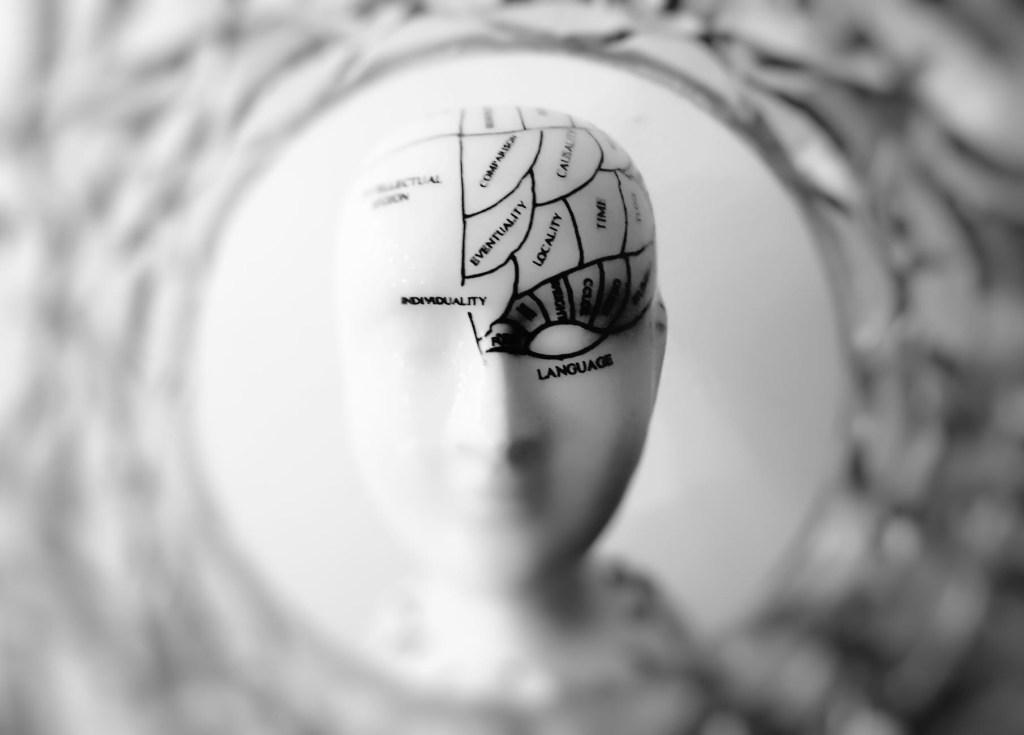
- Brain: The brain is the control center of the nervous system. It weighs about 3 pounds and is responsible for processing information, controlling movement, and regulating bodily functions.
- Heart: The heart is a muscular organ that pumps blood throughout the circulatory system. It’s roughly the size of a clenched fist and beats about 70-80 times per minute at rest.
- Lungs: Lungs are responsible for the exchange of oxygen and carbon dioxide in the body. They are located in the chest and expand and contract as we breathe.
- Liver: The liver is the largest internal organ in the body and plays a vital role in processing nutrients, detoxifying the blood, and producing bile for digestion.
- Kidneys: The kidneys are responsible for filtering waste products from the blood and regulating fluid balance. Most people have two kidneys, and they are bean-shaped.
- Stomach: The stomach is a muscular organ in the digestive system. It churns and mixes food with digestive juices to break it down before it enters the small intestine.
- Skin: The skin is the body’s largest organ and serves as a protective barrier. It regulates body temperature, contains sensory receptors, and plays a role in vitamin D production.
- Bones: The human skeleton consists of 206 bones that provide structure and support for the body. They also produce blood cells and store minerals.
- Muscles: Muscles allow the body to move. There are over 600 muscles in the human body, ranging from small ones in the face to large ones in the legs.
- Eyes: The eyes are sensory organs responsible for vision. They contain a lens that focuses light onto the retina, where visual information is processed and sent to the brain.
- Ears: Ears are responsible for hearing and balance. They consist of the outer ear, middle ear, and inner ear, which work together to process sound waves and maintain equilibrium.
- Intestines: The intestines, including the small intestine and large intestine, are part of the digestive system. They absorb nutrients from digested food and eliminate waste.
These are just a few key body parts with brief descriptions. If you have specific questions about any particular body part or need more details, feel free to ask!
 Healthfitly